Wild ducks and geese are often thought of as the birds reserved for fancy meals in the wild game culinary world.
But the truth is, you don’t need to make anything fancy to enjoy them. You just need to cook them the right way. That’s where we come in. This collection of wild duck recipes and wild goose recipes is designed for hunters and home cooks who want to celebrate waterfowl in all its rich, delicious flavors.
Whether you’re working with mallards, wood ducks, Canada geese, or snow geese, these birds shine when prepared properly:
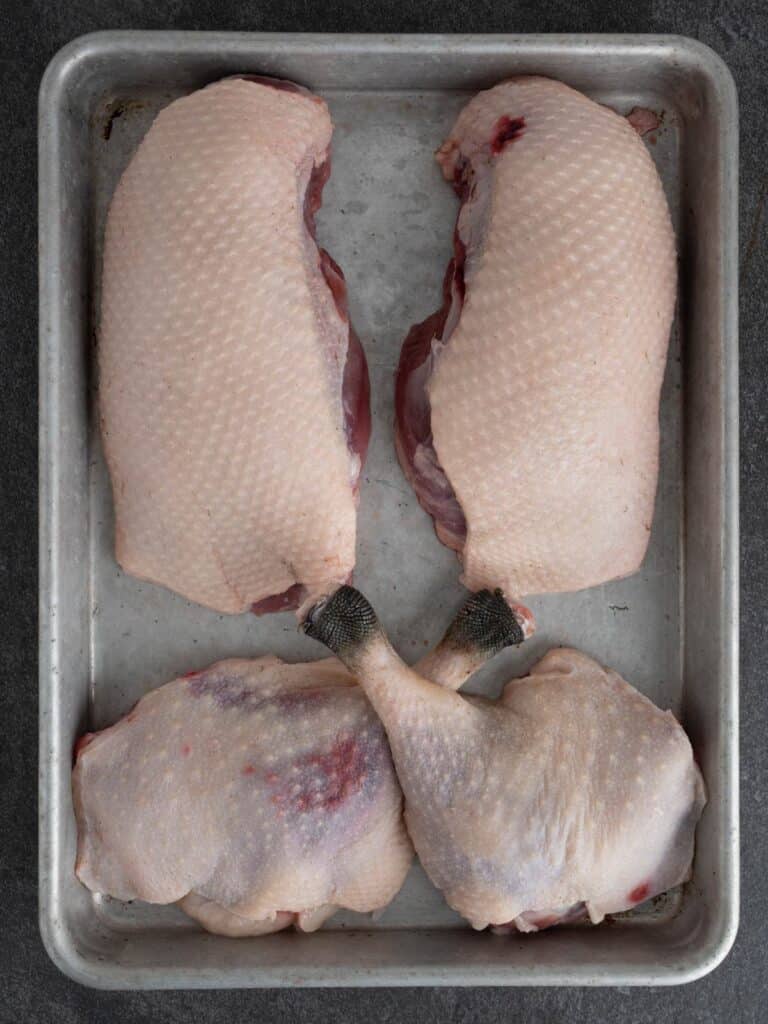
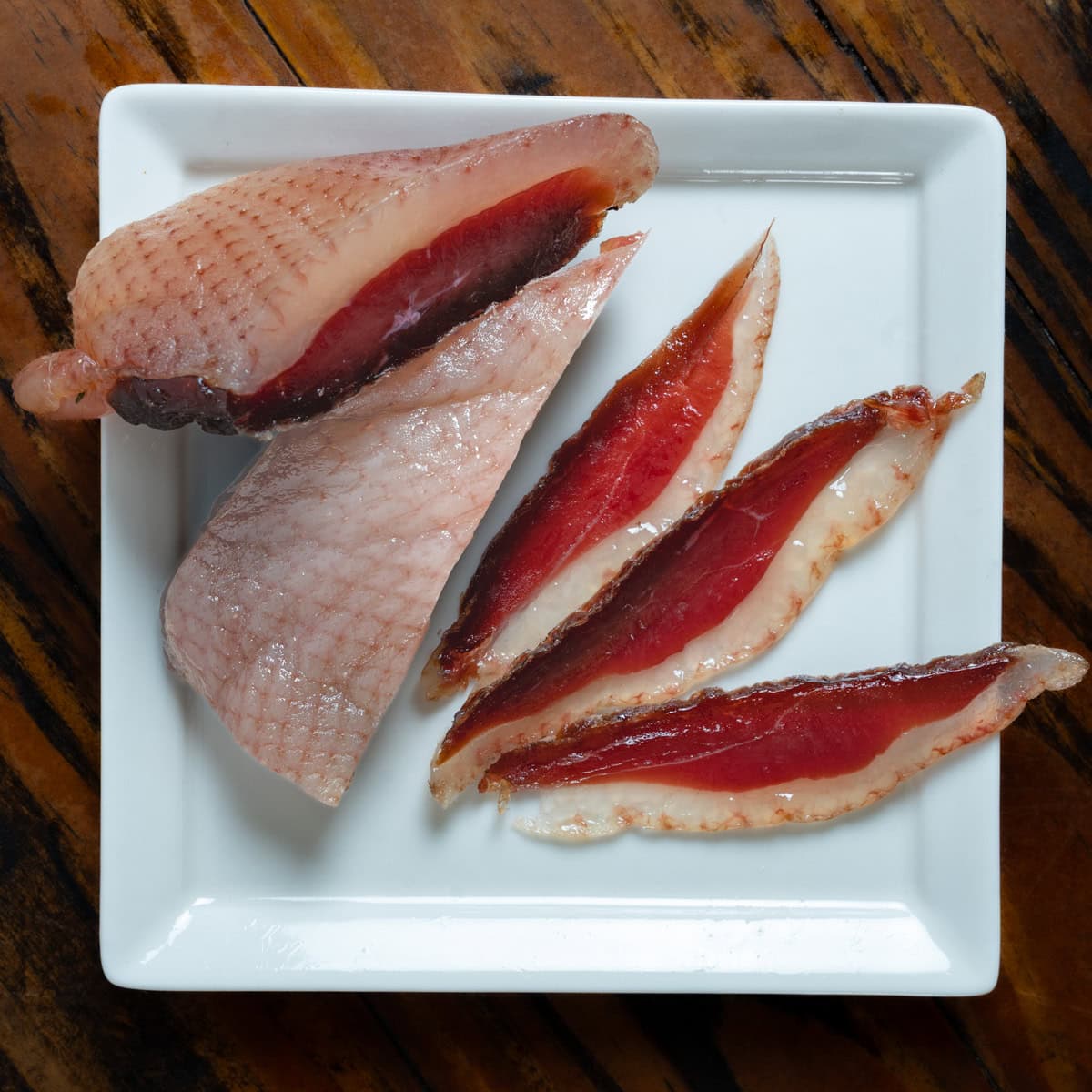
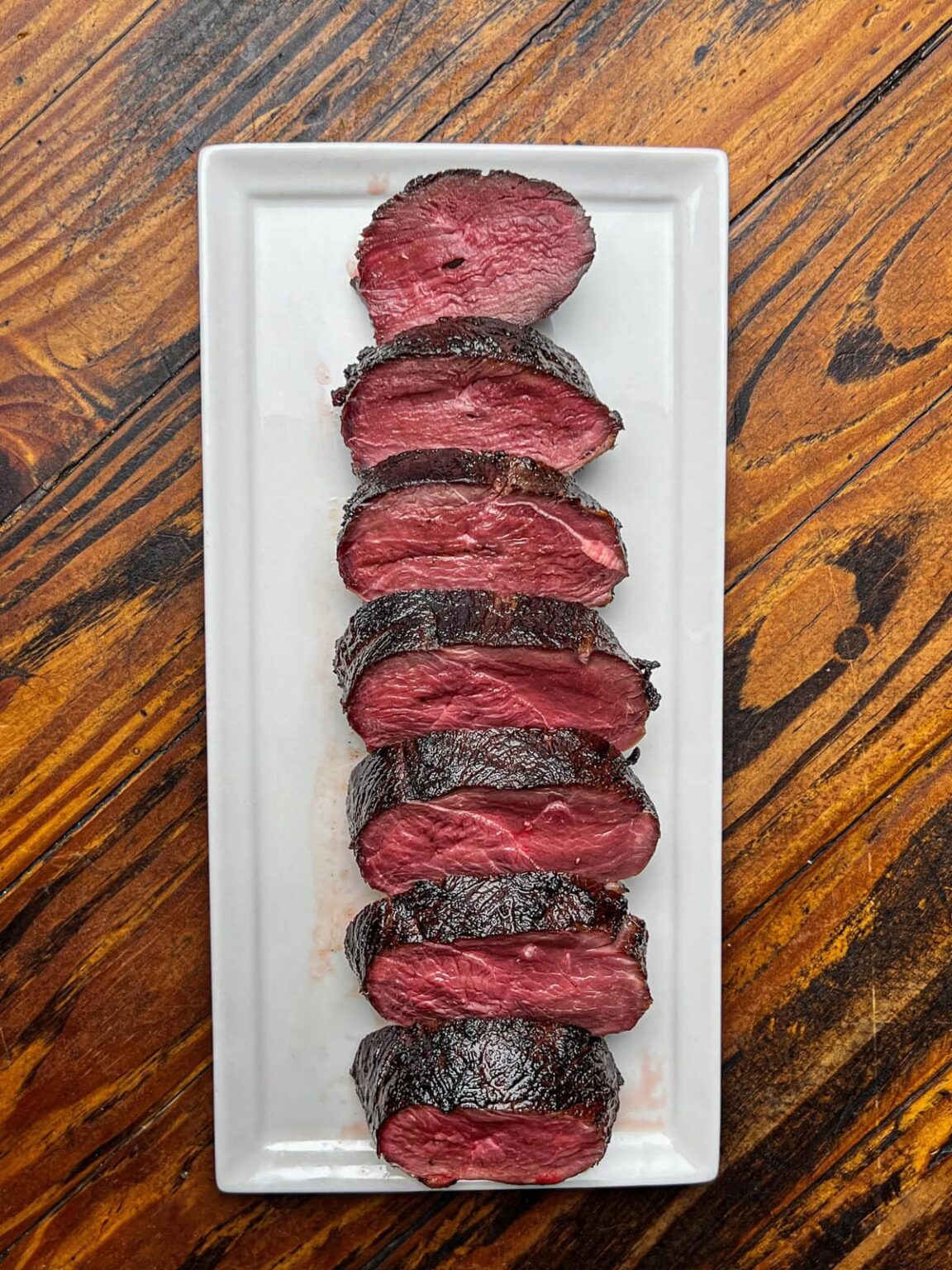
Wild Duck Breasts: Always cook to medium or medium-rare. Anything more, and you risk ending up with tough meat you’ll want to feed to your pets instead of enjoying at the table.
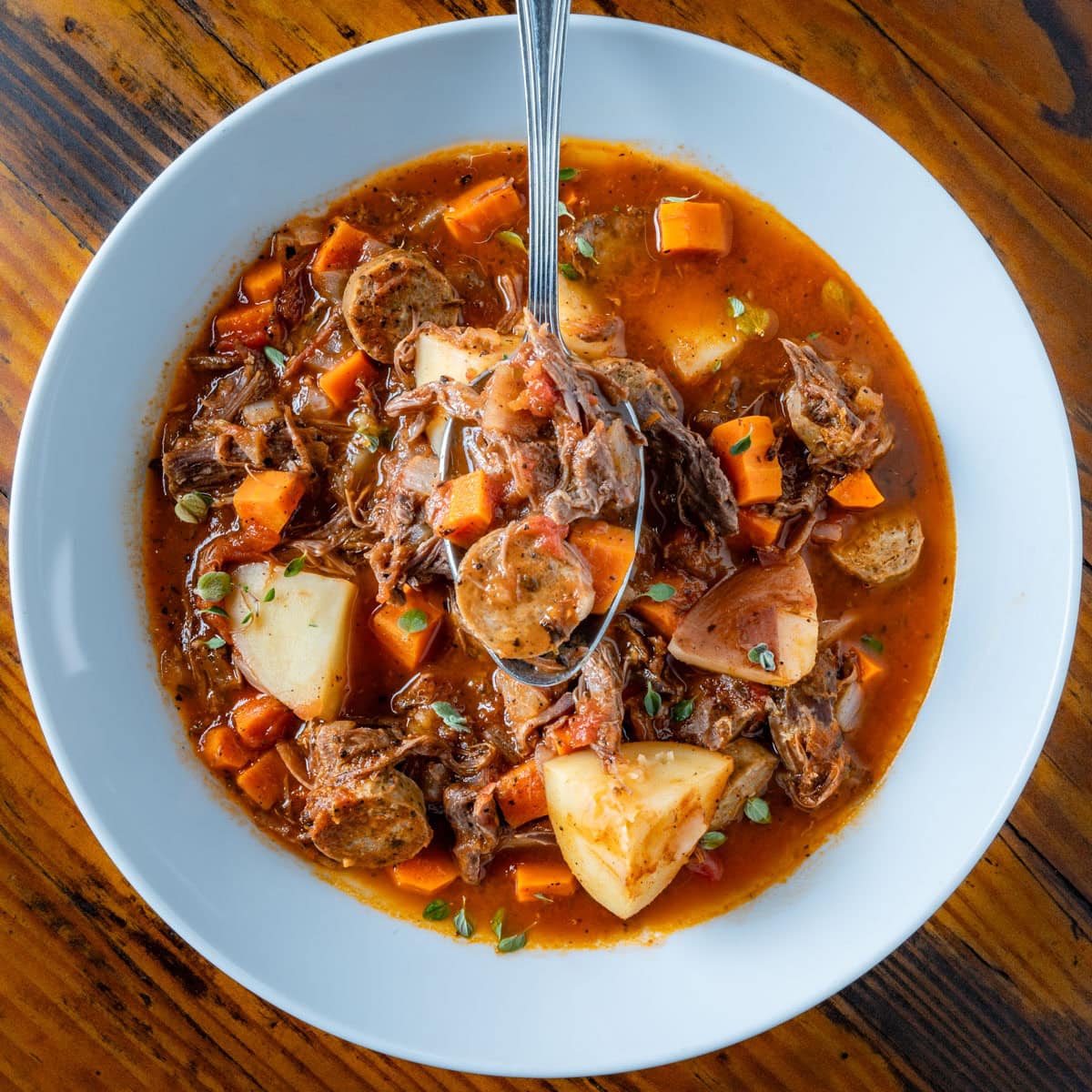
Legs & Thighs: These cuts love low-and-slow, moist cooking methods. Think braises and stews.
Snow Geese & Diver Ducks: Known for their stronger flavor, these birds benefit from a fresh water soak followed by an aromatic brine. This helps mellow the gamey notes and keeps the meat juicy.
Canada Goose: Large and versatile, often preferred over snow goose. A good brine or marinade helps highlight its hearty flavor.
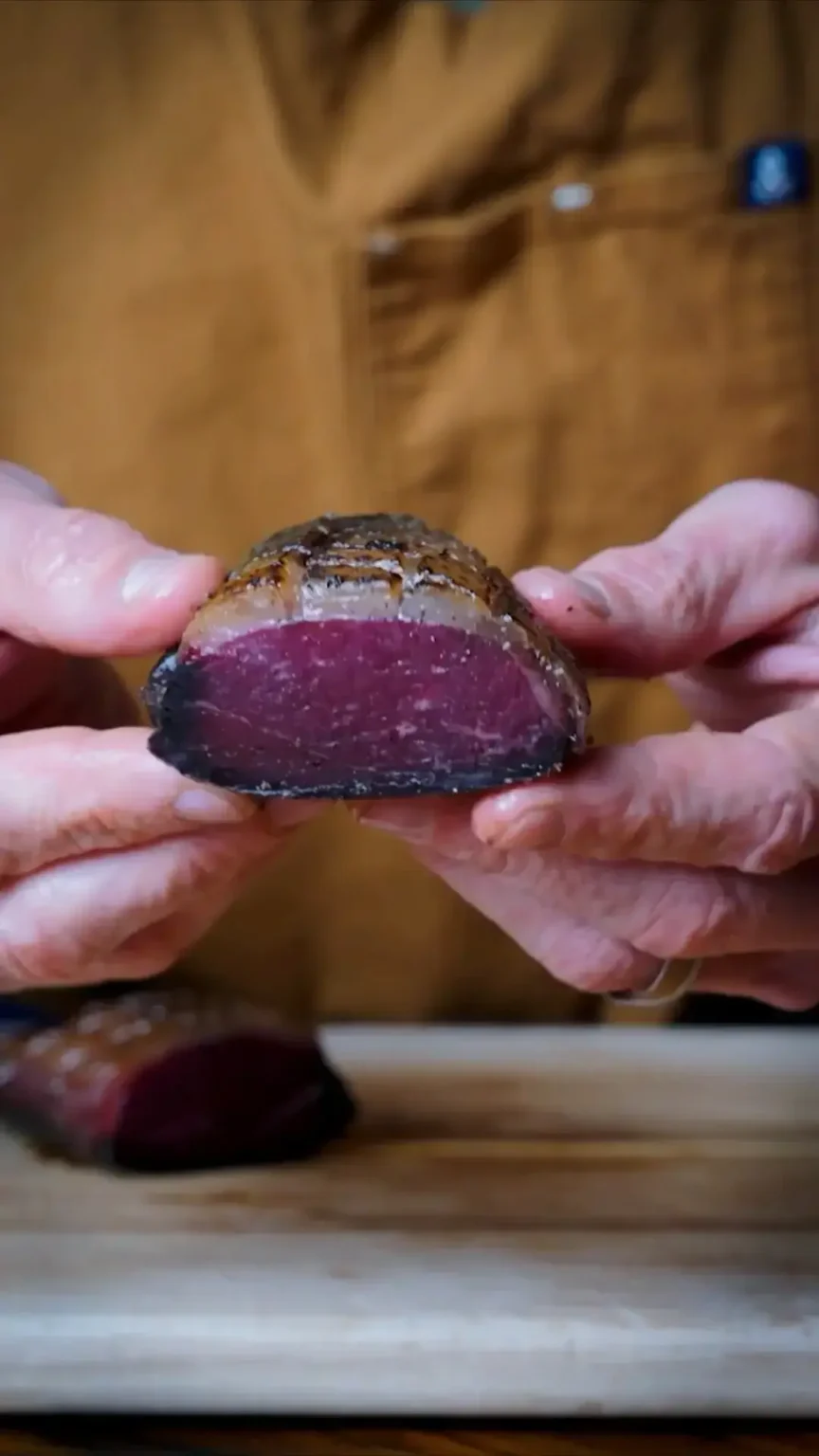
Brining: Brining helps improve juiciness and flavor. It can also mellow out the flavor of diver ducks. But it’s not a fix-all. If you plan to braise the meat, there’s no need to brine it for most applications.
Braising and Pressure Cooking: Slow cooking and pressure cooking are the best ways to cook the tough legs and thighs. These cooking techniques are what transform these cuts into tender, flavorful bites.